
Disc bulge and herniated disc care in Edgeworth
Being told you have a bulging or herniated disc sounds alarming. In reality, disc changes are common, many cause no symptoms at all, and most painful ones settle without surgery. We assess how your disc is actually affecting you and treat it gently.
How it can feel
A disc that is irritating nearby structures can cause:
- Low back or neck pain that's worse with bending, sitting or lifting
- Pain, tingling or numbness travelling into a leg or an arm
- Pain that spikes with coughing, sneezing or straining
- Stiffness and muscle guarding around the area
- Sometimes weakness in the leg, foot, arm or hand
What a disc bulge is
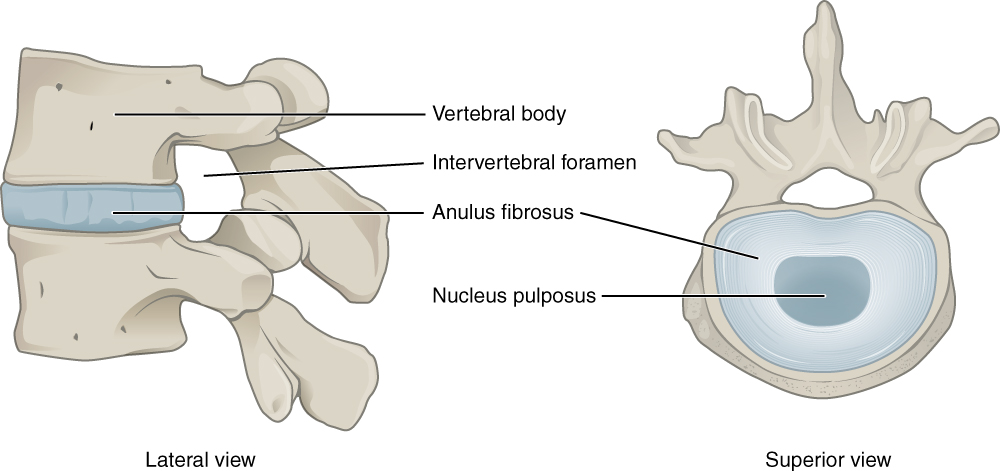
Your spinal discs sit between the vertebrae and act as shock absorbers. Each has a soft centre inside a tougher outer ring. A bulge or herniation is when that centre pushes out against or through the ring. If it irritates a nearby nerve, you can get pain down the leg (sciatica) or, from the neck, down the arm.
Our approach to disc bulges
Assess
We examine how you move and test nerve function, then explain what your scan (if you have one) does and doesn't mean. Findings on a scan don't always match symptoms, so we treat the person, not the picture.
Treat
Low-force techniques suited to an irritable disc. Flexion-distraction is the one we reach for most: it involves no twisting or thrust, and lab studies have measured a drop in pressure inside lumbar discs during the technique.
Rebuild
Once things calm down, we guide you back to bending, lifting and exercise in stages, so your back gets stronger and less guarded.
Want the detail? Our article on flexion-distraction walks through how the table works and what the studies on disc pressure, sciatica and chronic low back pain found, including their limits.
When to get urgent help
This page is general information only and isn't a substitute for an individual assessment. Healthdirect, the Australian government's health information service, has more on back pain.
Disc bulge: your questions answered
Will my disc bulge heal?
Many disc herniations shrink over time, and symptoms often improve even when a scan still shows a bulge. Most people recover without surgery.
Will I need surgery?
Most people don't. Surgery is generally considered when there is significant or worsening nerve weakness, the warning signs listed above, or severe pain that hasn't improved with a good trial of conservative care. If we think you need a surgical opinion, we'll tell you.
Can I keep working and exercising?
Usually yes, with some changes while it settles. We'll go through what to keep doing, what to modify and how to build back up.
Is flexion-distraction the same as a decompression machine?
No. Flexion-distraction is a hands-on technique. Your chiropractor guides the table through slow movements while keeping a hand on the segment being treated, and adjusts to how you respond.
Do I need a referral?
No. You can book directly with us, online or by phone. If you have a referral, scans or reports from your GP or specialist, bring them along.
You might also want to read
Sciatica
Leg pain, tingling or numbness from an irritated nerve in the lower back.
Read more →Lower back pain
Aches, stiffness and sharp catches in the low back, and how we get you moving again.
Read more →Flexion-distraction explained
How our gentle table treatment works and what the research says.
Read the article →Ready to get your disc bulge looked at?
Start with a proper assessment at our Edgeworth clinic. No referral needed.