
Do you need a scan for lower back pain?
It's one of the first things people ask us. The short answer: usually not, at least not straight away. Here's why, and when a scan is the right call.
When your back hurts, wanting to see inside it makes sense. An X-ray or MRI feels like the quickest way to find out what's wrong. But for most back pain, a scan doesn't change the treatment, and it can sometimes send people down the wrong path.
That isn't just our view. Australia's national Low Back Pain Clinical Care Standard says imaging should be reserved for cases where a serious cause is suspected, and that scans outside those cases can create unnecessary concern.
What scans show in people with no pain at all
A review of 33 studies covering more than 3,000 people with no back pain looked at what their scans showed. Disc bulges turned up in about 30% of 20-year-olds, rising to 84% of 80-year-olds. Signs of disc degeneration were there in 37% of 20-year-olds and 96% of 80-year-olds. None of these people were in pain.
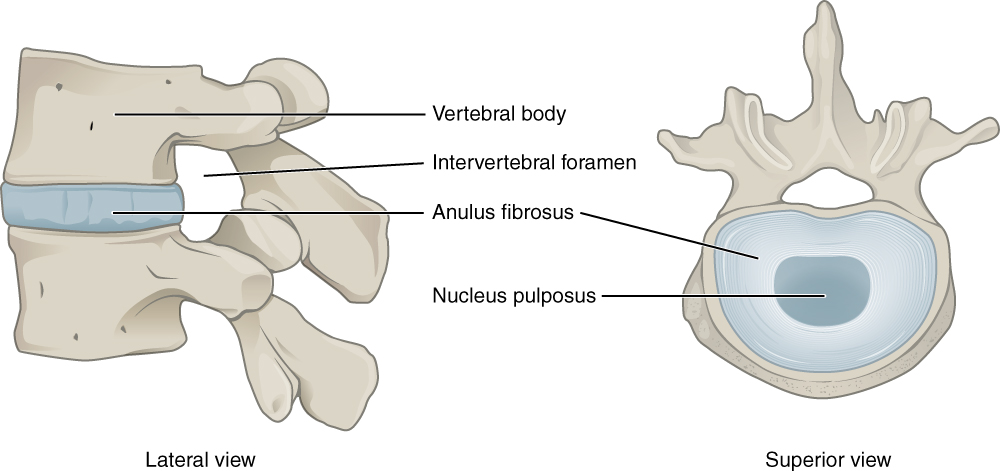
So when a scan report on a sore back mentions a bulge or "degeneration", it may be describing something that was there long before the pain started and has nothing to do with it. Many of these changes are like grey hair: a normal part of getting older.
Why a scan you don't need can work against you
Worry
Alarming words on a report, like "degeneration" or "bulge", can make people afraid to move, and that tends to slow recovery.
The wrong target
A finding that's normal for your age can get the blame for your pain, leading to treatment aimed at the picture and not the problem.
Radiation and cost
X-rays and CT scans involve a dose of radiation, and every scan costs time and money. That's worth it when the result will change your care, and not when it won't.
When a scan is the right call
Imaging matters when something points to a specific or serious cause, or when the result would change what happens next. That includes:
- Back pain after a significant fall or accident, or after a minor one if you have osteoporosis
- Back pain with a fever, unexplained weight loss or a history of cancer
- Significant or worsening weakness, numbness or other nerve symptoms
- Pain that isn't improving as expected after several weeks of appropriate care, where a scan would change the plan
- When surgery or an injection is being considered
What we do instead
A careful history and physical examination tell us most of what we need: how you move, where it hurts, how your nerves are working, and whether anything points to a serious cause. If we think you need imaging, we'll tell you why and refer you.
If you already have scans, bring them. We'll explain in plain English what they do and don't mean for you. You can read more about how we assess and treat lower back pain, disc bulges and sciatica.
Book an appointment online or call us on 0406 405 958.
This article is general information only and isn't a substitute for an individual assessment. Talk to a registered health practitioner about your own situation.
You might also want to read
Back pain and not sure what to do next?
Start with a proper assessment at our Edgeworth clinic. No referral needed.