
Flexion-Distraction: The Gentle Table Treatment Helping Edgeworth Backs Move Again
What our flexion-distraction tables are, what the research says, and why we reach for them so often.
 Dr Shane Moss, Chiropractor
· 5 minute read
If you've ever had low back pain that shoots into your buttock or down your leg, you know it isn't "just a sore back." It changes how you sleep, sit, drive and pick up your kids. And if you've been told you have a disc bulge, sciatica or a cranky sacroiliac joint, you may also be nervous about anyone touching your spine at all.
That's exactly why we love our flexion-distraction tables at Edgeworth Chiropractic Care. Honestly, they're one of our favourite things in the clinic. Not every practice has one, and we think our patients are lucky that we do. Here's what they are, what the research says, and why we reach for them so often.
What is flexion-distraction?
Flexion-distraction is a hands-on chiropractic technique performed on a specially built table. You lie face down, comfortably supported. The lower section of the table moves, gently bending (flexing) your lower back while lengthening it (distraction).
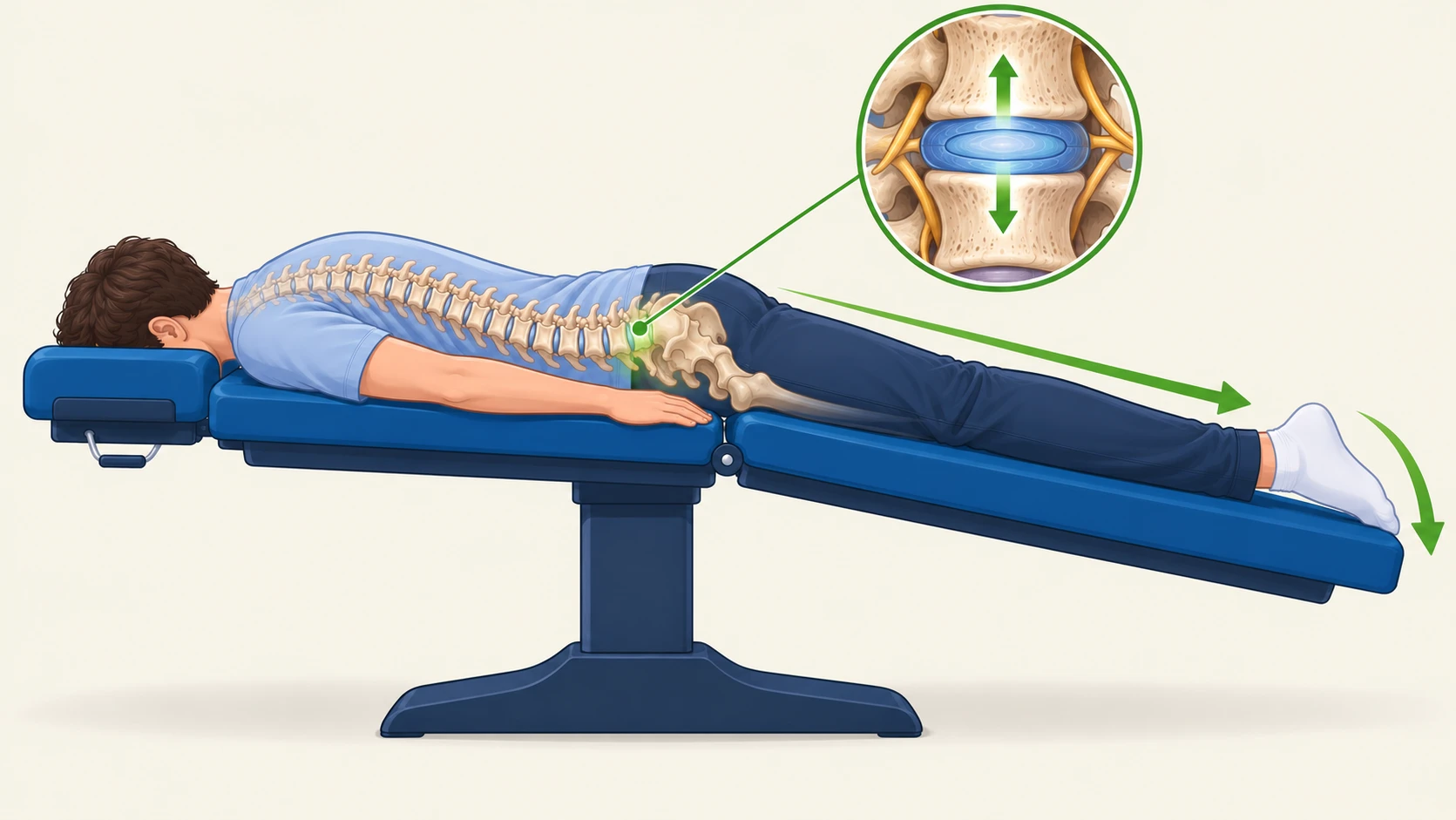
Your chiropractor keeps one hand on the exact spinal segment being treated, and guides the table through slow, rhythmic movements. There's no twisting and no sudden thrust. Most people describe it as a deep, controlled stretch through the low back.
The best-known version is the Cox® technique, developed by US chiropractor Dr James Cox. It's widely used: published studies report that more than half of chiropractors use flexion-distraction in practice.
Why we're such big fans
It's gentle
Because there's no twist or quick thrust, flexion-distraction suits people who are in a lot of pain, people who are apprehensive about adjustments, and older patients with arthritic or degenerative spines.
It's precise
We can target one spinal level, and adjust the angle, speed and amount of stretch to suit you on the day.
It's backed by research
This isn't a gimmick table. Flexion-distraction has been studied in clinical trials, cohort studies and biomechanics labs, which is more than many hands-on treatments can say.
What does the research actually say?
We want to be straight with you about the evidence: it's encouraging, it's growing, and like most back pain research, it's not the final word. Here are the highlights.
Chronic low back pain
In a randomised clinical trial published in 2006, people with low back pain lasting more than three months received either flexion-distraction or an active exercise program. The flexion-distraction group had significantly greater pain relief. People with chronic, moderate-to-severe pain improved the most. Results did vary depending on whether patients had leg pain or recurring episodes, which is why we tailor care to the person in front of us.
Disc bulges and herniations
Why might a stretching table help a disc? Lab studies offer a clue. Researchers placed pressure sensors inside lumbar discs and measured what happened during the Cox flexion-distraction procedure. Pressure inside the disc dropped, most markedly at L4–L5, one of the most commonly injured levels. A separate cadaver study found that distraction reliably lowered pressure in the disc's centre compared with standing or lying.
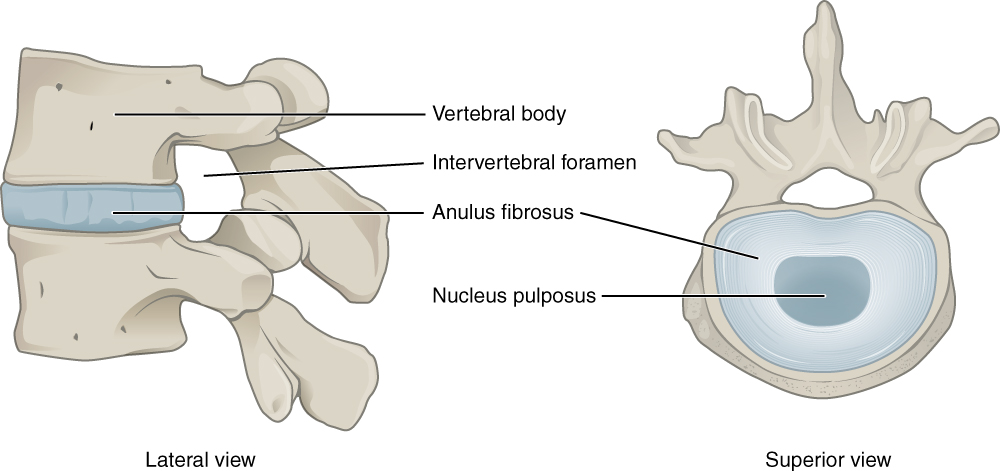
Lower pressure inside the disc is thought to help reduce stress on a bulge and allow nutrients to move into the disc. These were lab studies, not patients, but they help explain what we see in clinic.
Sciatica
Sciatica is leg pain from an irritated nerve root, often caused by a lumbar disc herniation. In a 2009 study of 49 people with sciatica from a disc herniation, nearly all patients were treated with distraction manipulation, alongside exercises and other care. On average, patients rated themselves about 77% improved by the end of treatment, and nearly 90% described their outcome as good or excellent. Those gains held at follow-up more than a year later.
That study had no comparison group, so we can't say the table alone did all the work. But it shows what a thoughtful, non-surgical plan built around flexion-distraction can look like.
Spinal stenosis
Spinal stenosis is a narrowing of the spaces around the nerves, common as we age. Leg pain and heaviness when walking that eases when you sit or bend forward is a classic sign. Flexion-distraction makes intuitive sense here, because bending forward opens those spaces.
In a study of 57 people with stenosis managed mainly with distraction manipulation and nerve mobilisation, patients reported an average improvement of around 65%. Smaller trials have also reported less pain and disability, and a pilot trial of older adults found no adverse events across six weeks of treatment.
Sacroiliac (SI) joint pain
Your SI joints sit where your spine meets your pelvis, and they're a common source of low back and buttock pain. Flexion-distraction tables can also be used to gently mobilise this region, which is a great option for people who don't want a more forceful adjustment. We'll be honest: there's less dedicated research on flexion-distraction for SI joint pain specifically than for discs and sciatica. It's usually one part of a broader plan that includes movement, strengthening and other hands-on care.
What does a session feel like?
After a thorough history and examination, we'll explain whether flexion-distraction suits you.
Most people find it relaxing. Many tell us it's the first time in a while their back has felt like it has some room.
If it suits you
- You lie face down on the table, with cushioning where you need it.
- Your chiropractor places a hand on the target spinal segment.
- The lower part of the table gently moves through slow, short cycles, usually a few seconds each, repeated several times.
- We check in with you constantly. If anything feels wrong, we change it.
Is it right for everyone?
No treatment is. Flexion-distraction isn't suitable for some conditions, such as spinal fractures, infections, tumours or certain unstable spines. That's why every new patient gets a proper assessment first.
Results also vary from person to person. We'll set realistic goals with you and review your progress as we go.
Try it for yourself in Edgeworth
We genuinely get excited about this table, because we see what it makes possible for people with stubborn low back pain, disc problems and sciatica. If you're in Edgeworth or the surrounding Lake Macquarie area and you'd like to know whether flexion-distraction could help you, we'd love to see you.
Book an appointment online or call us on 0406 405 958.
Related reading: lower back pain, sciatica and disc bulges.
Dr Shane Moss
This article is general information only and isn't a substitute for an individual assessment. Talk to a registered health practitioner about your own situation.
Wondering if it could help your back?
Start with a proper assessment. No referral needed.